Richmond Kew Gardens event cleaning guide for venues
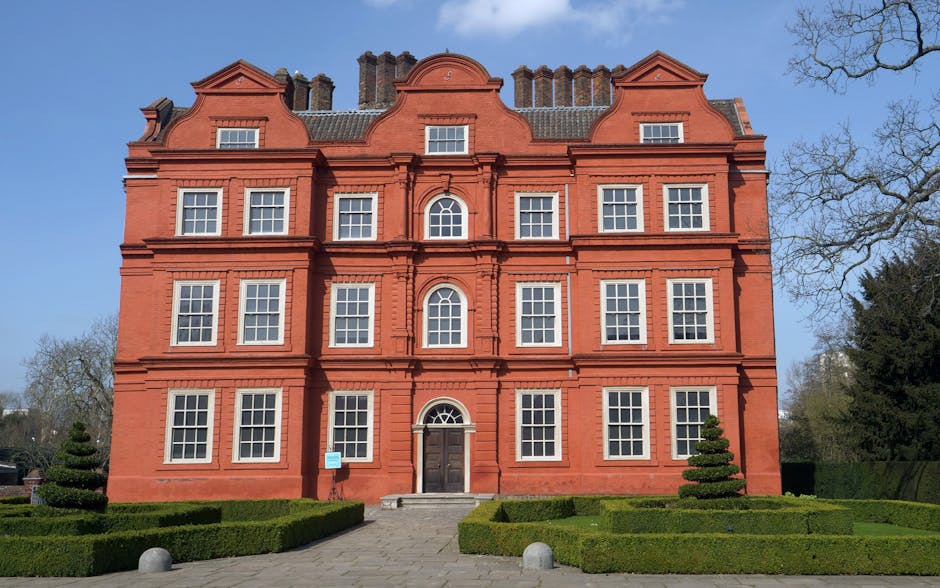
If you manage a venue near Richmond or Kew Gardens, you already know the odd truth of events: the last guest leaves, the lights dim, and the real work begins. Glasses gather on side tables, carpets pick up muddy prints, outdoor areas need a once-over, and somehow the back-of-house has become the busiest room in the building. This Richmond Kew Gardens event cleaning guide for venues is designed to help you plan cleaning properly, avoid costly oversights, and hand the space back looking calm, fresh, and fully presentable.
Whether you run a wedding venue, private dining room, gallery, function suite, hotel event space, community hall, or corporate meeting venue, the approach is similar: clean with a plan, not panic. Below you will find a practical guide to event turnaround cleaning, post-event deep cleaning, venue hygiene, and the small details that make a big difference. And yes, the difference is usually obvious before you even get to the front door.
Why Richmond Kew Gardens event cleaning guide for venues Matters
Event cleaning is not just about making a room look tidy again. In a venue setting, it protects the guest experience, the reputation of the business, and the condition of high-touch surfaces, flooring, upholstery, and washrooms. Around Richmond and Kew Gardens, venues often deal with mixed-use bookings, tight handover windows, and guests who expect polished surroundings. That means cleaning needs to be fast, consistent, and properly sequenced.
Let's face it: a venue can look fine at first glance and still fail the practical test. Sticky residue on a bar, smears on glass panels, food debris in corners, or a faint smell from spilt drinks can all change how guests perceive the space. For wedding receptions and corporate events, those tiny details matter a lot. They influence reviews, repeat bookings, and how confident clients feel when they walk in for the next event.
There is also a health and safety angle. Event spaces are high-traffic environments, which means more spill risks, more slip hazards, and more contamination points than a quiet office or home. If your venue hosts large groups, children, outdoor movement, or food service, cleaning has to do more than "look good". It should reduce risk, support hygiene, and help the team reset the space without cutting corners.
A strong cleaning guide is especially useful if your venue uses a mix of contractors and in-house staff. With a clear method, everyone knows what gets cleaned first, what needs specialist equipment, and what should be checked before the next booking. That kind of consistency saves arguments later. And a lot of time too.
How Richmond Kew Gardens event cleaning guide for venues Works
The best event cleaning process is usually built around three phases: pre-event preparation, live-event maintenance, and post-event turnaround. Each phase has a different goal, and the cleaning tasks should match the moment. A venue that only cleans after guests leave is always playing catch-up.
Pre-event preparation is about presentation and prevention. That includes dusting visible surfaces, checking flooring, making sure glass and mirrors are spotless, refreshing washrooms, and setting up bins and waste stations. If the event includes food or drinks, the prep also needs to cover back-of-house areas, prep counters, and any guest touchpoints.
Live-event maintenance is lighter but still important. It may involve clearing tables, replacing liners, mopping accidental spills quickly, checking toilets, and keeping entrances neat. If an event runs over several hours, the venue should have a simple rotation so mess never gets out of hand. Nobody wants to step around abandoned napkins during speeches. Bit awkward, really.
Post-event turnaround is the heavy lift. This is where rubbish removal, floor cleaning, stain treatment, carpet care, washroom sanitation, and detailed surface wiping all come together. In many venues, this phase also includes upholstery refreshes, window cleaning, and specialist treatment for carpeted event rooms or lounge areas. If you need a broader refresh after a busy booking, a deep cleaning approach is often the right fit.
Some venues also benefit from scheduling regular maintenance between events. For example, a function room that hosts weekly private hires may stay in much better condition with a regular cleaning plan rather than waiting for damage to build up. That is especially true for carpeted areas, toilets, and soft furnishings.
Key Benefits and Practical Advantages
Good event cleaning gives you more than a shiny room. It gives you control. That matters in venues, because bookings are often stacked tightly and the margin for error is small.
- Better guest first impressions: a fresh entrance, clear windows, and clean floors tell guests the venue is well run.
- Faster room reset: when tasks are structured properly, the next event can begin on time without last-minute scrambles.
- Lower risk of complaints: clean washrooms, odour control, and stain removal reduce the kind of comments that stick.
- Longer life for finishes: regular care helps carpets, upholstery, curtains, and hard floors age more gracefully.
- Better hygiene standards: touchpoints, toilets, catering areas, and spill-prone surfaces are easier to control.
- Improved staff workflow: teams work better when they know exactly what to do and where to start.
There is a financial side too. A stubborn stain left too long can become permanent, and a poorly cleaned floor can lead to premature wear. That is where planned maintenance pays off. A venue that uses targeted treatments such as stain removal or steam carpet cleaning at the right time will usually get better long-term value from its surfaces.
For spaces with soft seating or lounge-style layouts, upholstery cleaning and sofa cleaning can be especially worthwhile. Guests notice if a chair looks tired or smells slightly stale. They may not say it out loud, but they notice. Always.
Who This Is For and When It Makes Sense
This guide is for anyone responsible for a venue that hosts events in the Richmond and Kew Gardens area. That could mean a venue manager, operations lead, event coordinator, facilities team, housekeeper, or an owner-operator trying to keep standards high without overspending.
It makes sense if your space regularly hosts any of the following:
- weddings and private celebrations
- corporate meetings and training days
- baby showers, milestone birthdays, and community functions
- cultural events, pop-ups, or ticketed gatherings
- seasonal dinners, receptions, and networking events
You may also need this guide if your venue has mixed flooring, lots of glass, delicate decor, or a fast turnaround between bookings. In that case, a normal housekeeping routine is usually not enough on its own. You need a one-off reset that targets the places guests actually touch and see.
It is also useful when you are deciding whether in-house teams can handle the workload or whether specialist support would make more sense. If your team already manages front-of-house, catering support, and event setup, adding a full clean at the end of the night can stretch them thin. That is where a one-off cleaning service can be a sensible option.
And for venues that are partly office-based or used for conferences during the week, you may find that commercial cleaning and office cleaning overlap with event cleaning needs more than people expect. The daily cleaning standard sets the foundation; the event clean builds on it.
Step-by-Step Guidance
Here is a practical way to structure event cleaning for venues so the process feels manageable, not chaotic.
- Walk the venue before the event. Note fragile areas, stain-prone surfaces, guest flow points, and anything that needs special protection.
- Set the cleaning scope early. Decide what must be done before doors open, during the event, and after guests leave. Write it down. Seriously, write it down.
- Stage supplies where they are needed. Keep cloths, sanitiser, waste bags, mop heads, and PPE close to the busiest points.
- Protect sensitive surfaces. Use the right cleaning method for carpets, hard floors, curtains, and upholstery. Not all surfaces want the same treatment.
- Handle spills immediately. A quick response reduces staining, odour, and slip hazards.
- Clear waste in cycles. Don't wait until bins are overflowing. That is when bad smells and mess start to spread.
- Detail the touchpoints. Wipe door handles, rails, switches, counters, taps, toilet flush plates, and reusable fixtures.
- Treat floors properly. Sweep or vacuum, then mop or clean with the appropriate method for the material.
- Refresh soft furnishings. Check for crumbs, hair, drink marks, and odours on seating, rugs, and drapery.
- Complete a final inspection. Look at the room as a guest would. Lighting on, room quiet, no shortcuts visible.
For carpeted event spaces, it often helps to separate basic vacuuming from restorative cleaning. A quick vacuum removes loose debris, but embedded grit, drink residue, and tracked-in dirt usually need more. That is why venues commonly pair event reset cleaning with carpet cleaning or steam-based treatment after the busiest bookings.
If your venue includes outdoor access, patios, smoking zones, or courtyard seating, remember to include those areas in the handover. A neat interior and a messy exterior do not create a polished impression. A tidy patio cleaning routine can be surprisingly useful, especially after summer events when spills, leaves, and tracked-in grit show up everywhere.
Expert Tips for Better Results
The biggest difference between an average venue clean and a proper event turnaround is usually attention to sequence. Clean from the top down, from dry to wet, and from the least dirty area to the most dirty area. It sounds obvious, but in practice people get rushed and jump around. Then they do the corridor twice and the toilet once. Not ideal.
Tip 1: Match the method to the surface. Hard flooring, carpets, glass, curtains, and upholstery all behave differently. A venue with mixed materials needs a mixed approach. If you are dealing with high-traffic tiled zones or polished surfaces, hard floor cleaning can help restore that sharp, clean finish without leaving residue.
Tip 2: Treat smell as a cleaning issue, not a fragrance issue. Air freshener can mask a problem for a while, but it will not fix spilt drink in carpet pile, damp fabric, or stale waste areas. A better response is proper source cleaning, plus ventilation. Sometimes a targeted pet stain odour removal style treatment is even useful in venues that host dog-friendly gatherings or family events. The name sounds specific, but the principle is broader: remove the source, then neutralise the residue.
Tip 3: Protect the team's time. If your staff are expected to clean and also manage guests, they will miss things. It is not laziness; it is bandwidth. Build cleaning into the event timeline, not after it as an afterthought.
Tip 4: Keep a stain response kit ready. Blotting cloths, neutral cleaner, warning signs, and spare bin liners should be easy to reach. The first minute matters. That's just the truth.
Tip 5: Don't forget the windows and glass. Fingerprints, smears, and condensation marks show up fast in event spaces, especially near entrances and photo walls. A final pass with window cleaning can quietly lift the whole room.
Tip 6: Think in guest zones. Guests notice entrances, toilets, bars, dining areas, seating clusters, and exit routes. They rarely inspect storage rooms. So prioritise the spaces that shape the memory of the event.
Common Mistakes to Avoid
Even experienced venue teams slip into a few habits that make the work harder than it should be.
- Leaving cleaning until the end: a full room reset is always slower when debris has been trampled in for hours.
- Using one product for everything: convenient, yes. Effective, not always.
- Skipping the final inspection: this is where smudges, missed bins, and hidden spill marks are usually found.
- Ignoring soft furnishings: chairs, curtains, rugs, and upholstered booths carry more evidence of an event than you might think.
- Cleaning in the wrong order: if floors are done too early, they can be dirty again before the room is finished.
- Underestimating odours: smells from food waste, drinks, damp textiles, or bins can linger after the room looks fine.
One of the easiest mistakes to make is forgetting the cleaner's eye and only using the organiser's eye. An organiser sees the schedule. A cleaner sees the residue. You need both, ideally in the same room for five minutes before sign-off.
Another common issue is assuming every event needs the same level of cleaning. It doesn't. A small daytime meeting and a 200-guest reception are not the same job. Adjust the scope, or you end up wasting money on over-cleaning or, worse, missing the things that really matter.
Tools, Resources and Recommendations
You do not need an overcomplicated toolkit, but you do need the right basics. A venue cleaning setup should be practical, portable, and easy for the team to access quickly.
- Microfibre cloths: good for dusting, wiping, and polishing without leaving much lint.
- Colour-coded cloths and mop heads: useful for separating washroom tasks from guest-area tasks.
- Vacuum cleaners suitable for commercial use: especially important for event rooms with carpet, runners, or rugs.
- Mops and floor tools for different surfaces: keep hard floors looking fresh without over-wetting them.
- Waste trolleys or bin stations: so rubbish does not pile up in one ugly corner.
- Spot-cleaning supplies: useful for drink spills, food marks, and unknown residue.
- PPE and safe handling kit: especially where waste or bodily fluids may be involved.
For textile-heavy venues, it is also smart to know which soft-furnishing treatments you may need over time. That might mean rug cleaning for feature pieces, curtain cleaning for drapes and event backdrops, or mattress cleaning if your venue includes accommodation or bridal prep rooms. Not every venue does, of course, but when it does, the cleaning plan should reflect it.
If you are comparing service support, ask whether the provider can handle both routine and intensive cleans. Venues often need more than one kind of visit. In practice, combining event recovery with commercial carpet cleaning or scheduled maintenance can make the whole operation easier to manage.
And because venue work can be messy and time-sensitive, it helps to work with people who understand practical scheduling, insurance, and site safety. Those aren't glamorous words, I know, but they matter a lot once staff, guests, and equipment are all moving at once.
Law, Compliance, Standards, or Best Practice
Venue cleaning in the UK should be approached with sensible compliance and good practice, even when there is no single all-purpose rulebook for event spaces. In real terms, that means considering health and safety duties, safe use of cleaning chemicals, waste handling, slip prevention, fire exit access, and the dignity of staff who are doing the work.
For venues near Richmond and Kew Gardens, best practice usually includes:
- keeping walkways and exits clear during and after cleaning
- using suitable warning signs on wet floors
- following manufacturer guidance for cleaning products and equipment
- training staff to handle spills, sharps, and contaminated waste safely
- documenting routine checks where the venue's operations require it
If you outsource, it is sensible to look for a provider that takes insurance, safety, and site procedures seriously. That way you are not guessing who is responsible if something goes wrong. Pages such as health and safety policy and insurance and safety are the kind of things a careful venue operator should review before any contractor starts work.
Environmental practice is another factor. Venues generate waste quickly, from glass and food packaging to disposable decor and cleaning residues. Where possible, a sensible approach to recycling and sustainability helps reduce unnecessary landfill waste and keeps the operation more responsible overall. You do not need perfection. You do need a system.
There are also commercial terms to keep straight. Booking windows, access times, deposit conditions, cancellation expectations, and scope changes should be agreed in advance. For any outsourced work, it helps to review terms and conditions before the clean begins, not after.
Options, Methods, and Comparison Table
Different venue scenarios call for different cleaning methods. The right choice depends on flooring, booking speed, footfall, and the type of event. Here is a simple comparison to help you decide.
| Method | Best for | Strengths | Limitations |
|---|---|---|---|
| Routine venue cleaning | Daily upkeep, pre-event prep, light post-event reset | Fast, predictable, low disruption | May not remove deep marks or embedded dirt |
| One-off cleaning | After a major event, seasonal reset, neglected rooms | Flexible, targeted, suitable for varied tasks | Not ideal for ongoing high-frequency bookings on its own |
| Deep cleaning | Heavy use, stubborn residue, detailed venue recovery | More thorough, better for hidden grime and build-up | Usually needs more time and planning |
| Steam carpet cleaning | Carpeted event spaces, entrance mats, spill-prone areas | Excellent for a fresh, restorative finish | Drying time must be allowed for |
| Upholstery and sofa cleaning | Lounges, waiting areas, breakout zones, VIP seating | Improves appearance and helps with odours | Materials need careful testing and handling |
In many venues, the smartest answer is not choosing one method forever. It is using a mix. A lighter routine clean can keep standards stable, while periodic deep treatment handles the parts guests can actually see and smell. That balance is usually where the best value sits.
Case Study or Real-World Example
Picture a private hire venue near Richmond with a main reception room, a small bar, a cloak area, and a courtyard entrance. On Friday evening the venue hosts a celebratory dinner with around eighty guests. By 11:30pm, there are drink rings on tables, crumbs under chairs, a sticky patch near the bar, and some muddy tracking by the doors from guests who went outside for fresh air.
In a rushed clean, the team might mop the floor, empty the bins, wipe the bar, and call it done. The room would look acceptable from a distance, but the next day someone would still smell last night's wine and think, "Hmm, not ideal."
In a better-cleaned version, the sequence is more deliberate. Waste is removed first. Soft debris is vacuumed. Surfaces are wiped from top to bottom. The bar is spot-treated. The carpet under the main seating area gets focused attention. The courtyard entrance is swept and checked for slippery marks. Glass is polished last so nothing drifts back onto it. Then there is a final walk-through with the lights on bright.
That final inspection is often the difference between a venue that merely survives an event and a venue that feels ready for the next one. If the room includes textile seating or lounge furniture, a planned upholstery cleaning appointment a little later can restore the room even further. And if the venue sees regular hire, a sensible maintenance rhythm with regular cleaning helps the whole place stay easier to manage week after week.
Practical Checklist
Use this checklist before, during, and after each event. Keep it simple. The simpler it is, the more likely staff will actually use it.
- Confirm event type, guest numbers, and access times.
- Identify carpeted, hard floor, glass, fabric, and outdoor areas.
- Stage bins, liners, cloths, mop heads, and spot-cleaning supplies.
- Protect fragile surfaces and decorative items.
- Check toilets, sinks, and consumables before doors open.
- Plan live-event waste clearing and spill response.
- Vacuum or sweep loose debris before wet cleaning.
- Target high-touch points such as handles, switches, rails, and counters.
- Treat stains quickly and record anything that may need follow-up.
- Refresh carpets, rugs, upholstery, and curtains where relevant.
- Clean and inspect windows, mirrors, and glass partitions.
- Check entrances, exits, and outdoor spaces for mud, litter, and hazards.
- Do a final room walk-through before sign-off.
Expert summary: the best venue cleaning systems are not the most complicated ones. They are the ones people can repeat under pressure, in low light, after a long event, when everyone wants to go home. That is the real test.
Get a free quote today and see how much you can save.
Conclusion
A strong Richmond Kew Gardens event cleaning guide for venues is really a guide to better control: control of standards, time, guest experience, and the hidden wear that event spaces collect so quickly. If you plan cleaning by phase, use the right methods for the right surfaces, and keep a sharp eye on the details that guests actually notice, your venue will feel calmer and more professional after every booking.
In practical terms, that means fewer surprises, fewer complaints, and less last-minute panic when the next event is already waiting at the door. Which, let's be honest, is the dream.
And once you have the process right, it becomes one of those quiet strengths that people only half notice. The room smells clean. The floors look cared for. The space feels ready. That is the real win.
Frequently Asked Questions
What is included in event cleaning for a venue?
Event cleaning usually includes waste removal, table and surface wiping, floor cleaning, washroom refreshes, stain spot-treatment, glass cleaning, and a final inspection. Larger or more formal events may also need carpet, upholstery, or outdoor area attention.
How soon should a venue be cleaned after an event?
As soon as practical. The longer spills and debris sit, the more likely they are to stain or smell. For venues with tight turnover, cleaning should be built into the handover window so the next booking is not delayed.
Do all event venues need deep cleaning after every booking?
No. Not every event needs a full deep clean. Smaller meetings may only need a routine reset, while weddings, dinner parties, and busy receptions often need a more intensive clean. The level should match the event size and mess level.
What is the best cleaning method for carpeted event rooms?
For regular upkeep, vacuuming is essential. For heavier use, stains, and odour control, steam carpet cleaning or other professional carpet treatments are often more effective. A venue with frequent traffic may need both routine and periodic restorative care.
How do you clean a venue without disrupting guests?
Use a phased approach. Handle high-traffic areas quietly, remove waste before it builds up, and reserve the deeper work for after guests leave. If the event runs long, a low-key live maintenance plan helps keep the space presentable without getting in anyone's way.
What areas do people often forget during venue cleaning?
Commonly missed areas include door handles, under tables, skirting edges, bar fronts, window ledges, soft seating seams, and entrance mats. Outdoor paths and courtyards are also easy to overlook, especially when the team is tired.
Is professional cleaning worth it for a smaller venue?
Often, yes. Even smaller venues can benefit from professional support if the schedule is tight or the finishes are delicate. The main value is usually time saved, better consistency, and less risk of damaging carpets, upholstery, or hard floors.
How can venues reduce odours after food and drink events?
Start with waste removal, then clean the source of the smell properly. Ventilation helps, but it should support the cleaning, not replace it. Carpets, fabric chairs, bins, and bar areas are the places to check first.
What should be checked before the next booking arrives?
Check the guest-facing route first: entrance, reception area, toilets, main room, and any outdoor access points. Then confirm the practical basics such as waste disposal, floor safety, clean glass, and stocked washrooms. A quick final walk-through catches most issues.
How do I decide between routine cleaning and one-off cleaning?
Use routine cleaning for repeat upkeep and one-off cleaning for heavier resets, seasonal work, or a venue that has had a particularly busy booking. If the room has visible build-up, lingering odours, or multiple surfaces needing attention, one-off cleaning is often the better choice.
What makes event cleaning near Richmond and Kew Gardens different?
In this part of London, many venues balance frequent events, limited access windows, and higher expectations for presentation. That means cleaning has to be efficient, discreet, and thorough. Guests often arrive with a strong impression in mind, so the details really matter.
Can venue cleaning help protect carpets and upholstery long term?
Absolutely. Regular attention prevents grit build-up, surface wear, and stain setting. When needed, specialist services such as carpet cleaning, upholstery cleaning, sofa cleaning, and stain removal can extend the life of a venue's main finishes and keep the space looking cared for.